Bring the customer into the boardroom conversation.
Growth, cost reduction, technology and investment decisions all change what customers experience. A customer satisfaction report rarely tells the whole story.
Explore a boardroom sessionA real conversation with Dave. You don’t need a perfectly formed brief.
The spreadsheet can be right. The decision can still be expensive.
Most businesses will tell you that customers are at the heart of everything they do. I do not doubt that they mean it. But when the discussion turns to growth, costs, restructuring or investment, how often does someone ask what the decision will actually mean for customers?
A customer satisfaction report rarely tells the whole story. A decision that looks financially attractive can become remarkably expensive when customers start leaving, people cannot deliver the promise or the operation absorbs work nobody anticipated.
This is an independent, commercially grounded customer perspective around the leadership table. The purpose is to strengthen the decision, not to add a committee or another collection of KPIs.
“We need to reduce operating costs.”
What happens to response times, workload and retention?
The saving matters. So do the consequences for the operation and the customer relationship. The discussion should consider both before the decision is made.
“We’re making a technology investment.”
Have we agreed what problem the technology is meant to solve?
I want to understand the intended outcome, how the operation will use it and the assumptions behind the proposed benefit.
“We’re entering a new market.”
What are we assuming customers will accept?
A proposition and a delivery model need to work together. Customer expectations, operational capability and commercial ambitions belong in the same conversation.
One meeting. A customer voice in the room.
Bring Dave into an executive discussion about a real decision, or arrange a focused session on the importance of customers across the business.
£895
Dave is not VAT registered, so VAT is not charged. We agree the session duration, preparation and any travel arrangements before the engagement begins.
Representing the customer shouldn’t mean ignoring the business.

I understand that businesses have to make money. The useful question is how to make better commercial decisions with a clearer view of what customers will experience.
One useful voice around the table.
The contribution is shaped around a real decision or discussion. It can include reviewing strategy, joining a leadership conversation or examining the customer implications of a major change.
Customer implications
How the decision could change access, service, expectations, retention or the experience of getting something resolved.
Operational realities
What people, processes and technology would need to do differently, and whether the proposed model supports that.
Commercial risks and opportunities
A broader discussion of value, cost, revenue and reputation, rather than treating customer experience as separate from business performance.
Constructive independent challenge
Questions about assumptions and consequences, asked by someone who is not invested in defending an existing internal position.
Start with one boardroom conversation.
Share the context
Tell me about the decision, the business and the discussion you are planning. We agree what would be useful for me to review and the boundaries of the session.
Have the discussion
I review the context, join the conversation and offer an independent view on customer implications, operational realities, risks and opportunities.
Decide what comes next
The initial engagement is a defined session, not an automatic long-term appointment. We can discuss further involvement if it would be useful.
A better-informed decision, rather than another layer of governance.
The initial session is designed to add perspective to a decision you actually need to make. Its scope and any outputs are agreed beforehand.
- An independent reading of the context
- Bring an external customer and operational perspective into the discussion.
- Constructive challenge to assumptions
- Consider what the business is relying on and what deserves closer examination.
- A clearer view of implications
- Connect the commercial decision to customer experience and the realities of delivery.
- A defined starting engagement
- Assess the usefulness of the contribution before considering any ongoing involvement.

“The relationship style was very collaborative and there was always a good balance between listening to our views, offering an external perspective and challenging our thinking when needed.”
This is independent advisory participation, not a formal statutory board appointment. The contribution and any outputs are agreed before the session.
A few difficult questions can be a useful contribution.
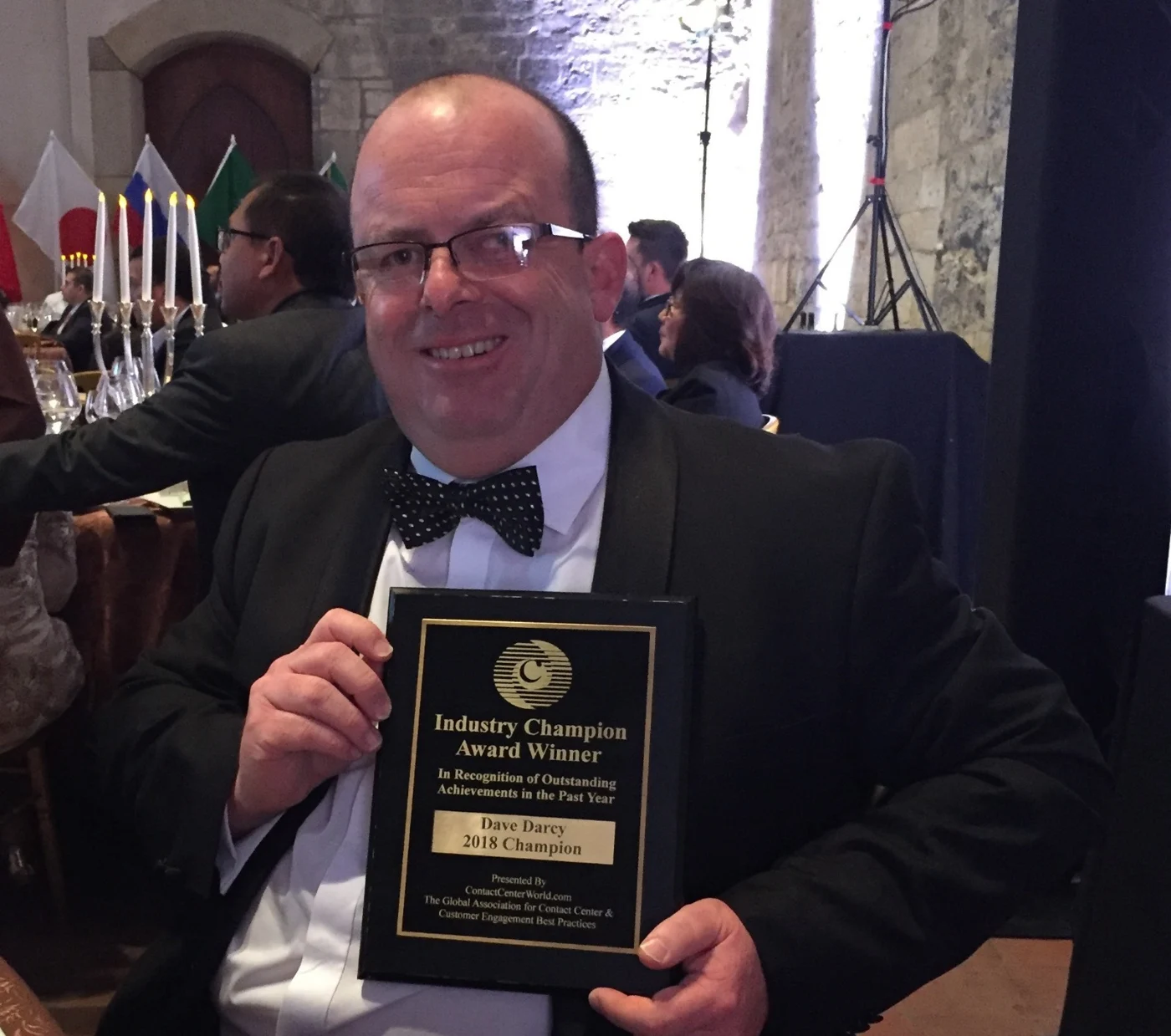
I have spent more than 35 years in customer operations, outsourcing and technology, including over 20 years in senior executive leadership. I have been responsible for decisions whose consequences were very real.
That experience does not mean I arrive with all the answers. It means I know why the first explanation is not always the right one, and why a sensible plan still needs to work when the presentation is over.
I will recognise commercial realities, ask difficult questions where necessary and focus on better-informed decisions. Constructive challenge is rather more useful when people feel comfortable enough to take part in the conversation.
A bit more about the person you’ll be working withDoes this sound like the right conversation?
- A strategic decision has meaningful implications for customers or customer operations.
- The leadership team would benefit from an independent, commercially grounded challenge.
- You want a defined initial session before considering a wider advisory relationship.
Scope and commercial arrangements are agreed before paid work begins.
A few things you might want to know.
If there’s something else you’d like to know, ask me. You’ll be talking to Dave.
Ask Dave a questionIs this a statutory board appointment?
No. The role is independent advisory participation. It is not a formal statutory board appointment, and its scope and boundaries are agreed before the session.
Do we have to commit to an ongoing arrangement?
No. The initial session fee is £895. Dave is not VAT registered, so VAT is not charged. Preparation, travel and duration are agreed before the engagement begins. The starting point is one defined advisory session. You can consider the usefulness of the contribution before discussing any ongoing involvement.
What kinds of decisions could we discuss?
Examples include cost reduction, technology investment, growth, restructuring, a new market or a change to the operating model. The relevant connection is the effect on customers and customer operations.
Are you there to represent customers regardless of cost?
No. The perspective is commercially grounded. Customer implications, operational realities and the need for the business to make money belong in the same discussion.
What happens before the session?
You share the context for the decision or discussion. We agree what I should review, the intended contribution, the role boundaries and the commercial arrangements before the session begins.
Will we receive a strategy report?
The scope and any outputs are agreed before the engagement. The initial offer is participation in a defined advisory session, not an automatic promise of a separate strategy report or implementation project.
Can this lead to practical support?
If further assessment, implementation or leadership support would help, we can discuss it separately. The initial session does not commit the business to a wider engagement.
A problem to solve? An opportunity to explore?
You don’t need a formal brief.
Tell me what’s on your mind.